Time for Provincial Status

Rakhshan Division, with a population of approximately 1.04 million and an area of 98,596 km², is larger than several sovereign countries, including Portugal, Austria, Ireland, Sri Lanka, and Denmark. Despite its vast expanse and importance in western Balochistan, it remains a division facing chronic drinking water shortages, drought conditions, and a severe lack of proper healthcare and education facilities. Experts believe that granting provincial status could be a game-changer, ensuring fair representation, improved governance, and balanced development.

Key Socio-Economic Indicators
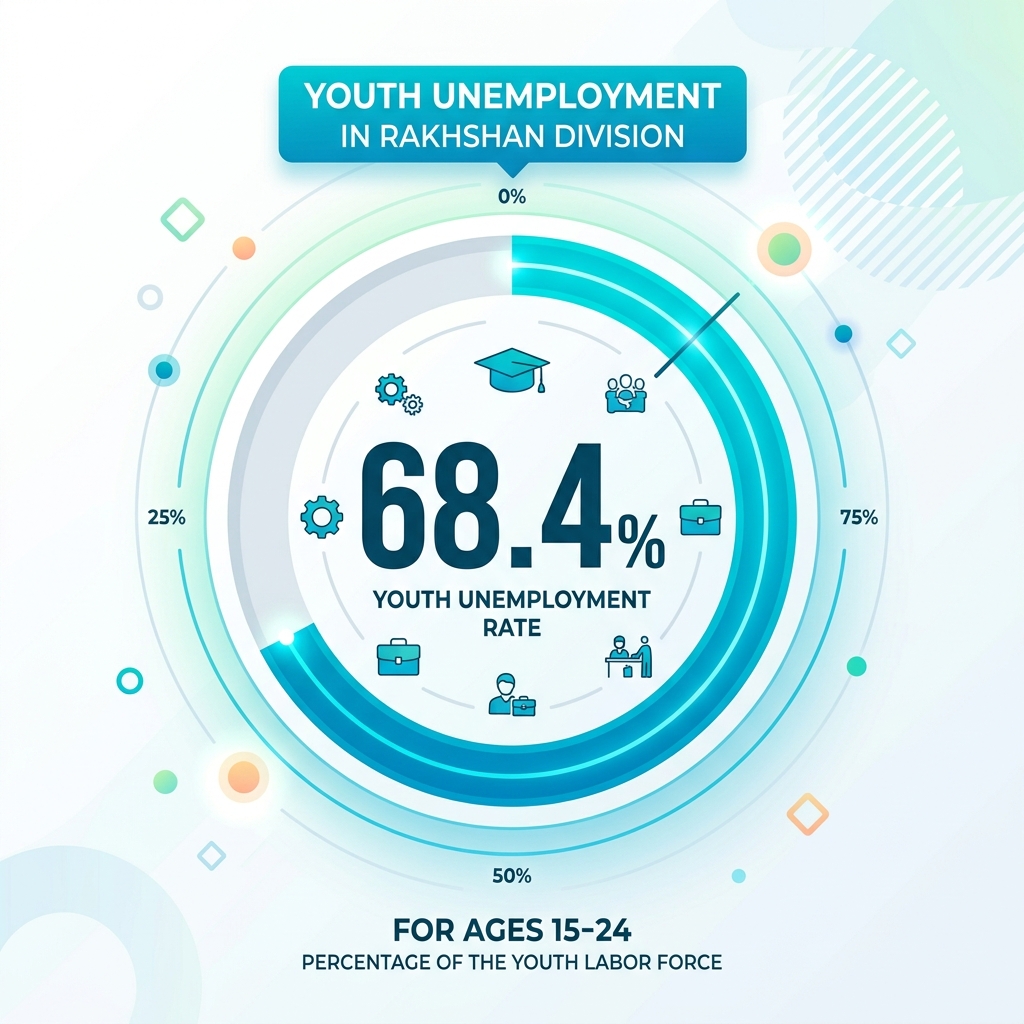
Youth Unemployment approx. 68.4%
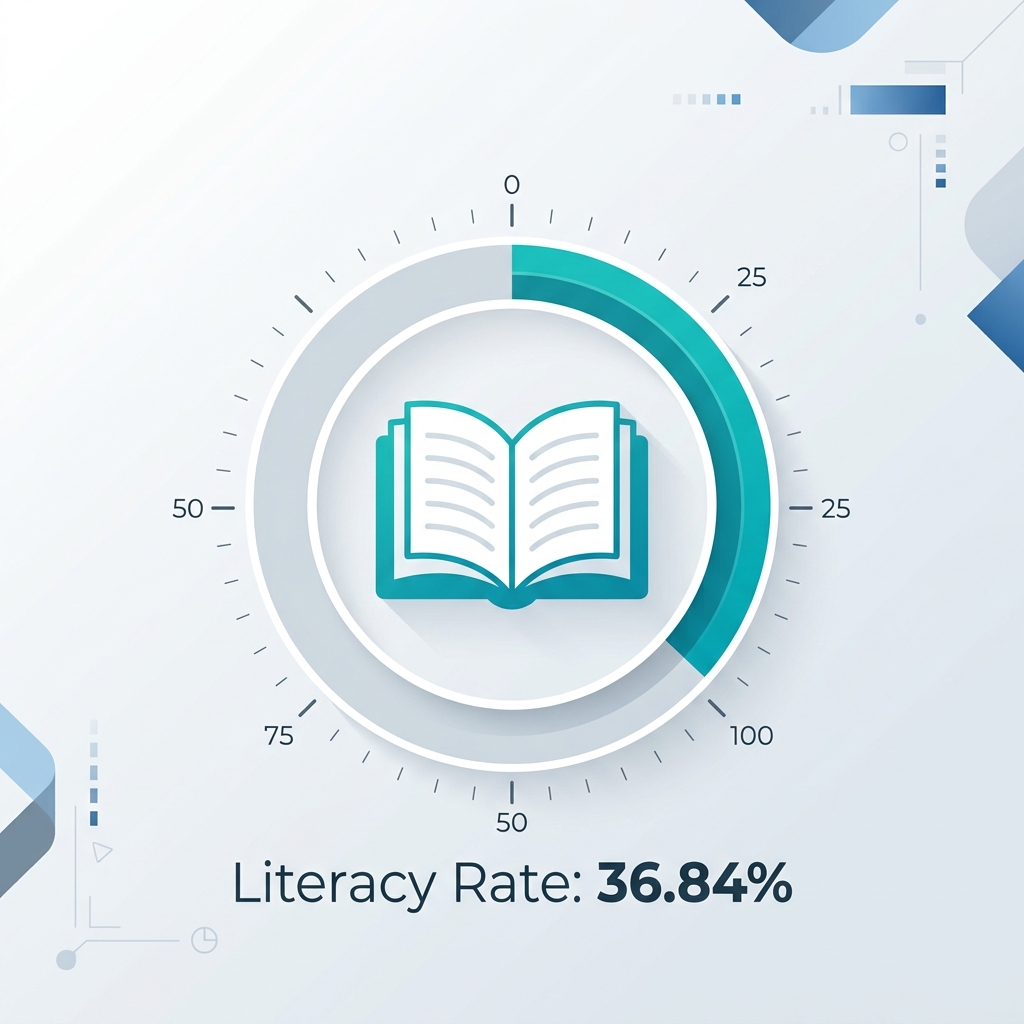
Literacy Rate 36.84%
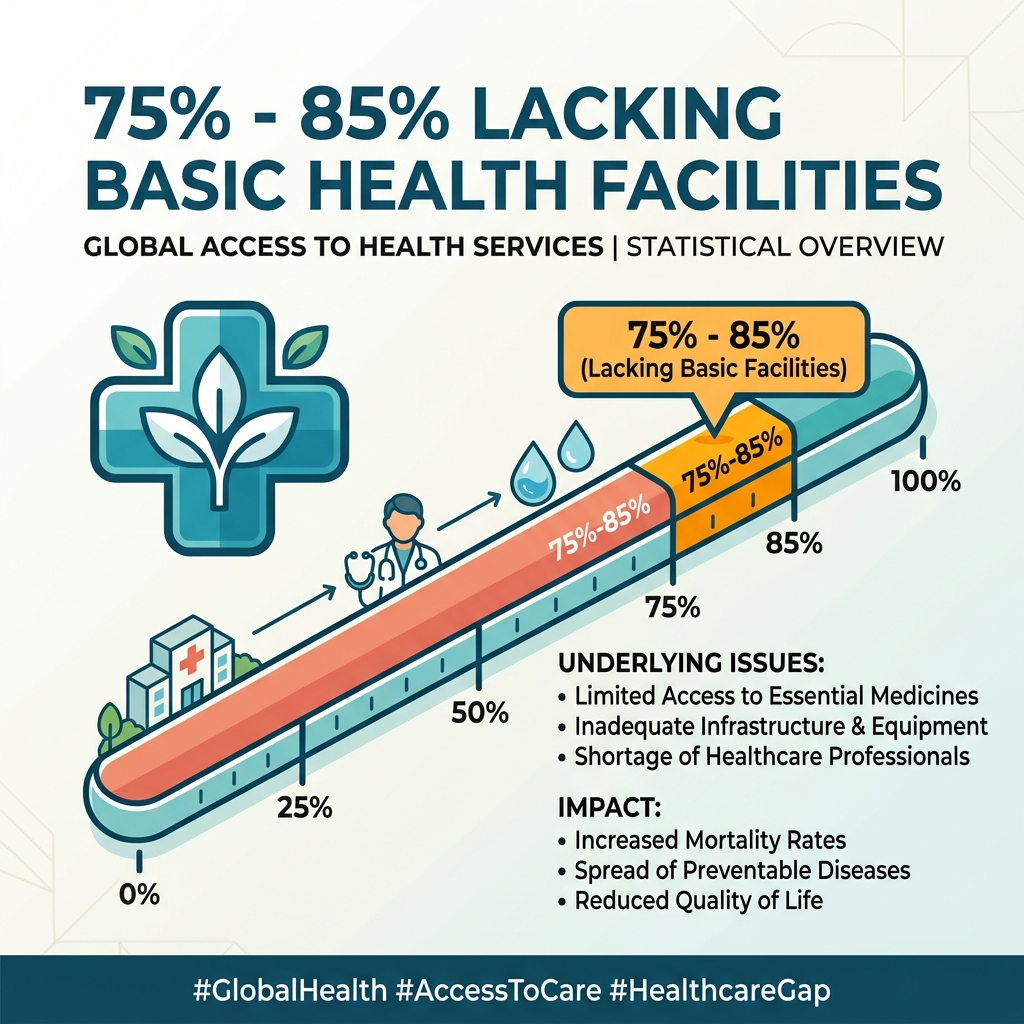
Lacking Basic Health Facilities 75% – 85%
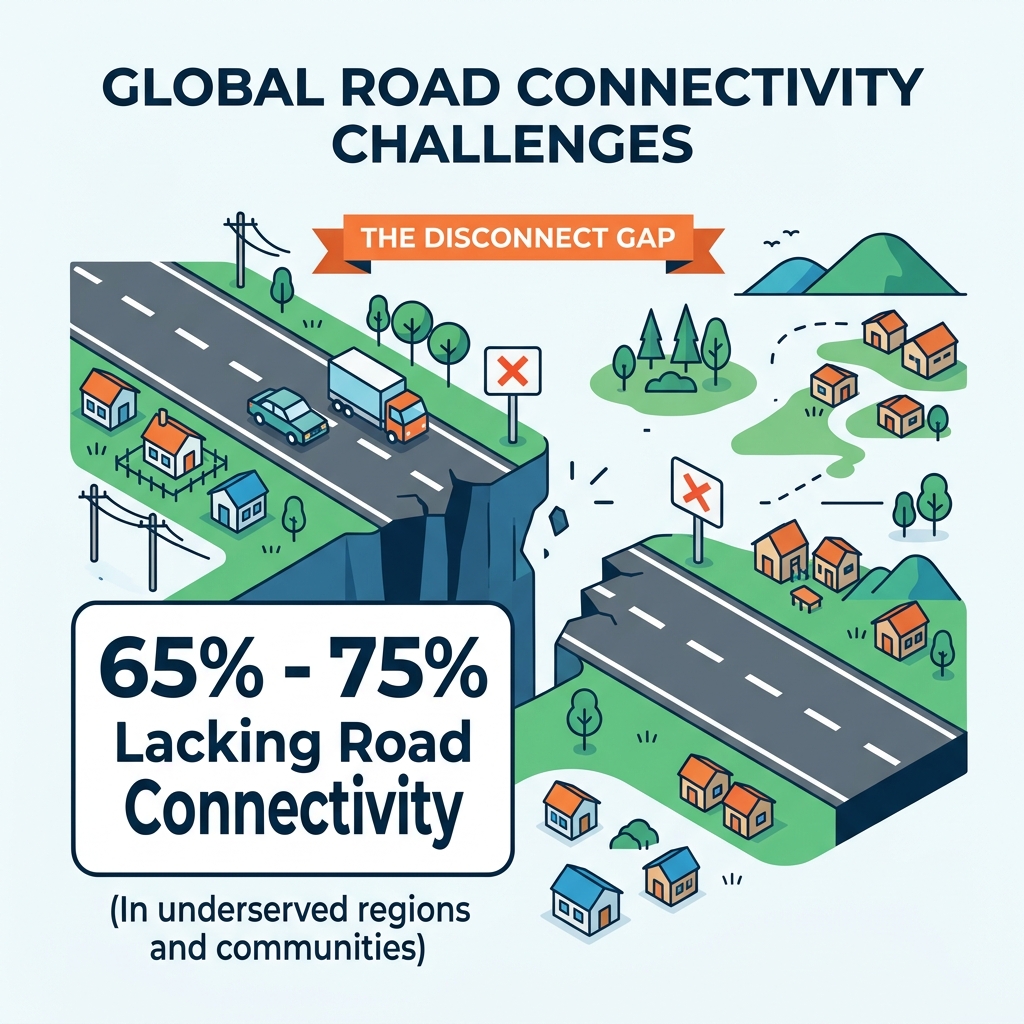
Lacking Road Connectivity approx. 65% – 75%
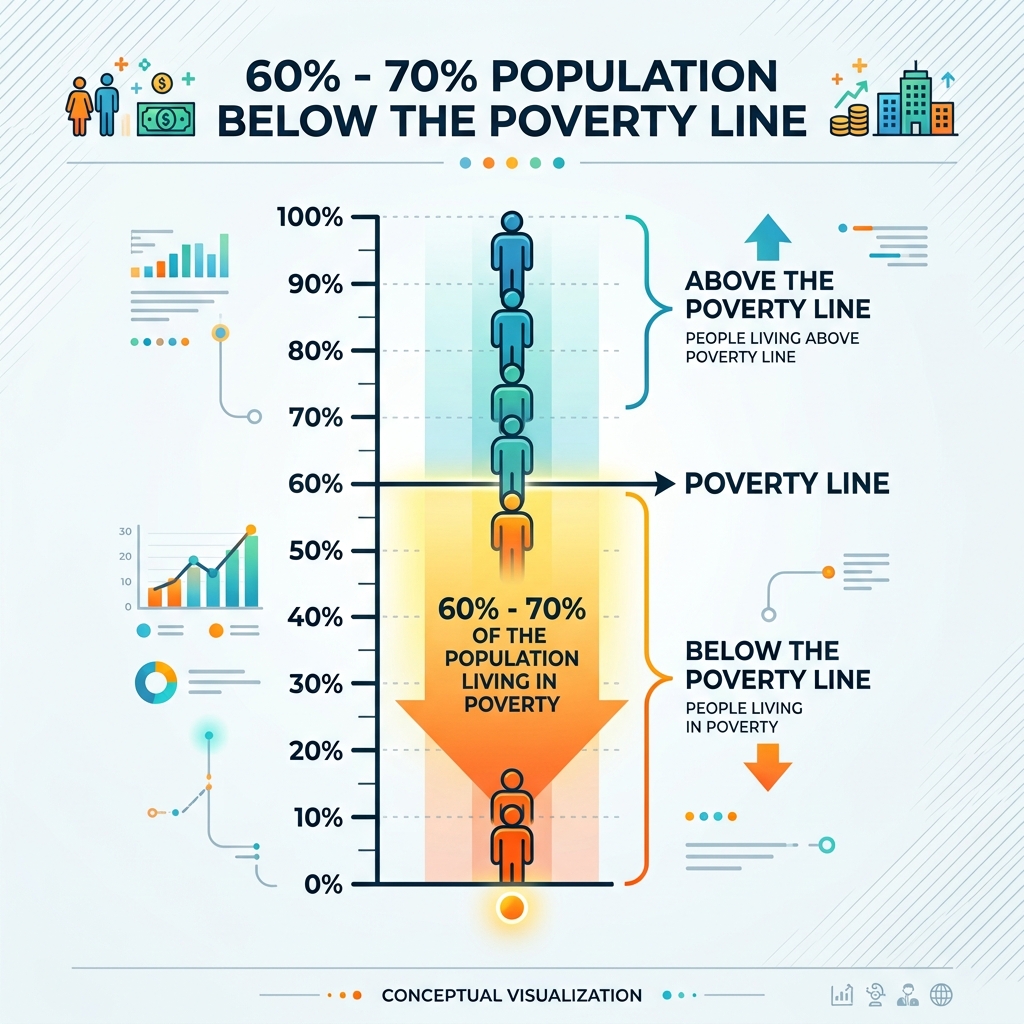
Population below the Poverty Line 65%
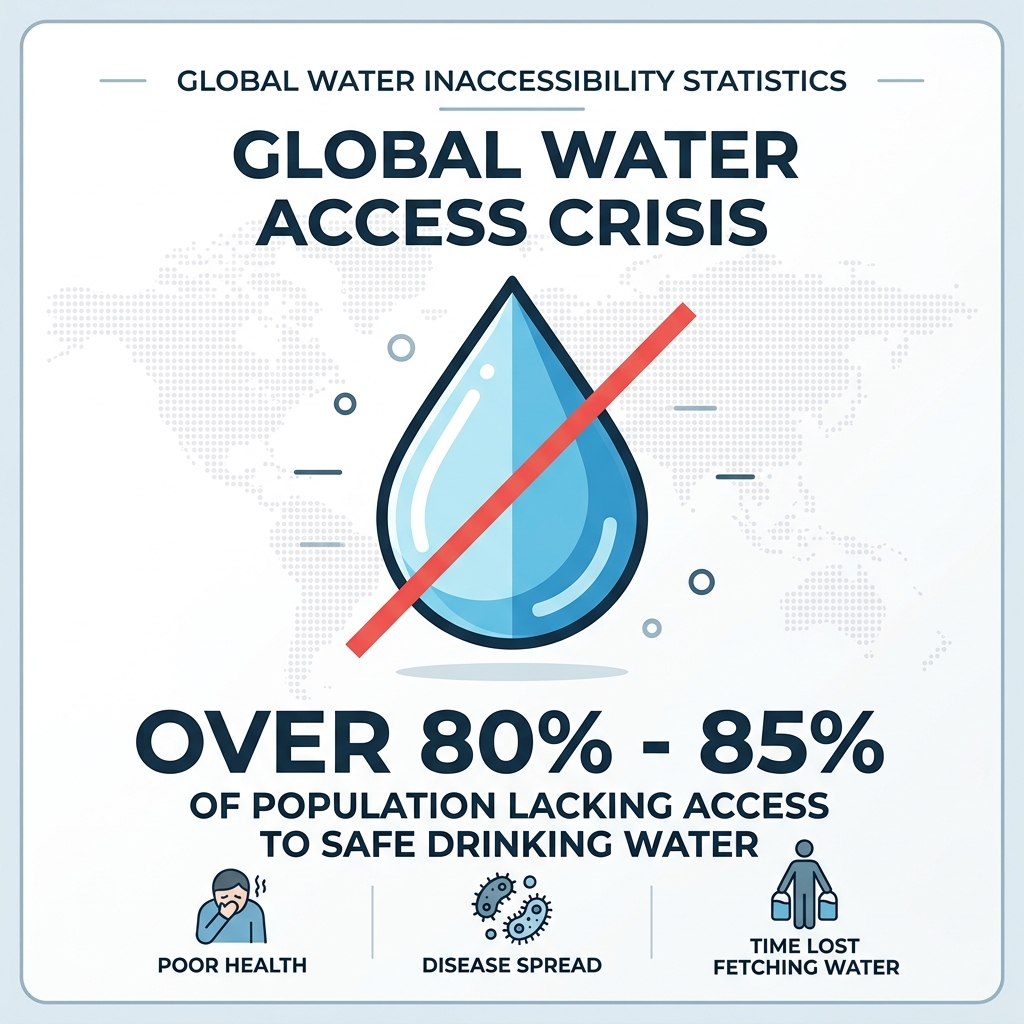
No Access to Safe Drinking Water 82%
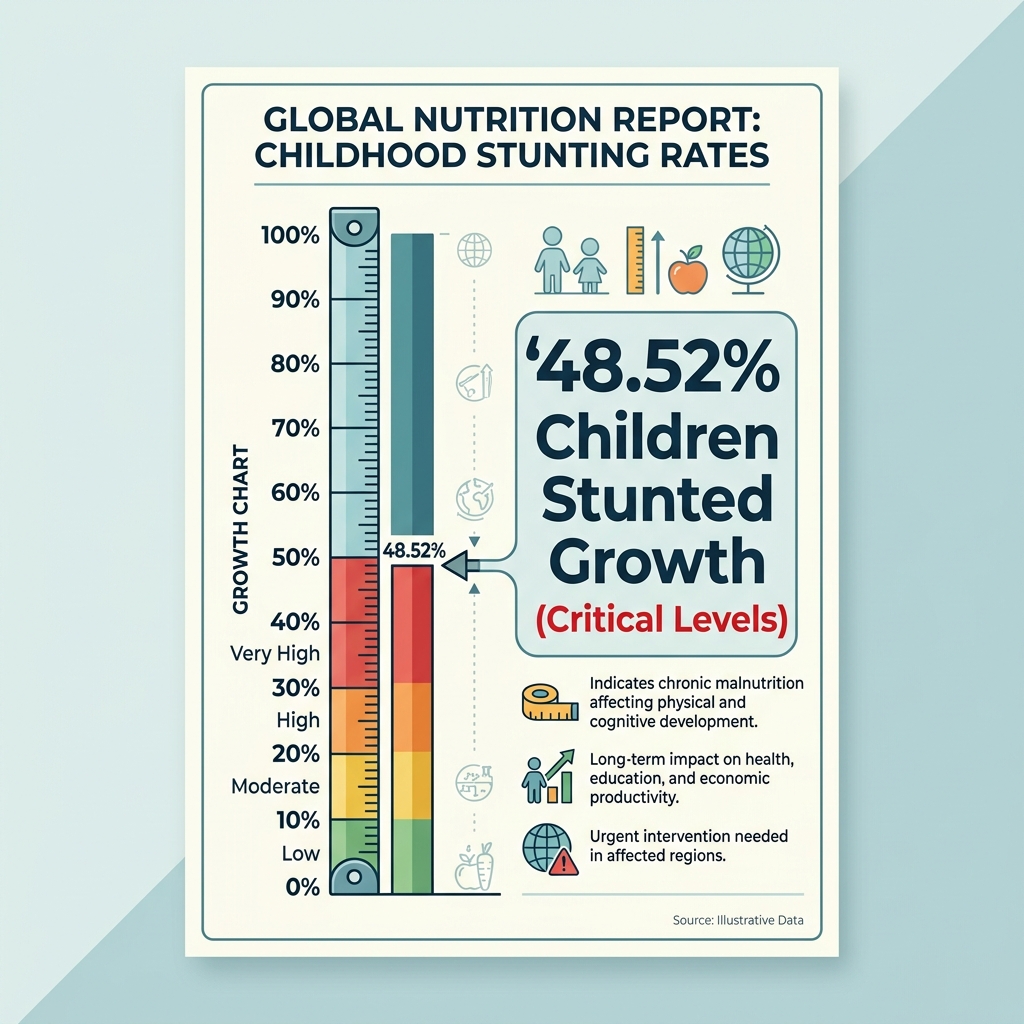
Children Stunted Growth 48% – 52%
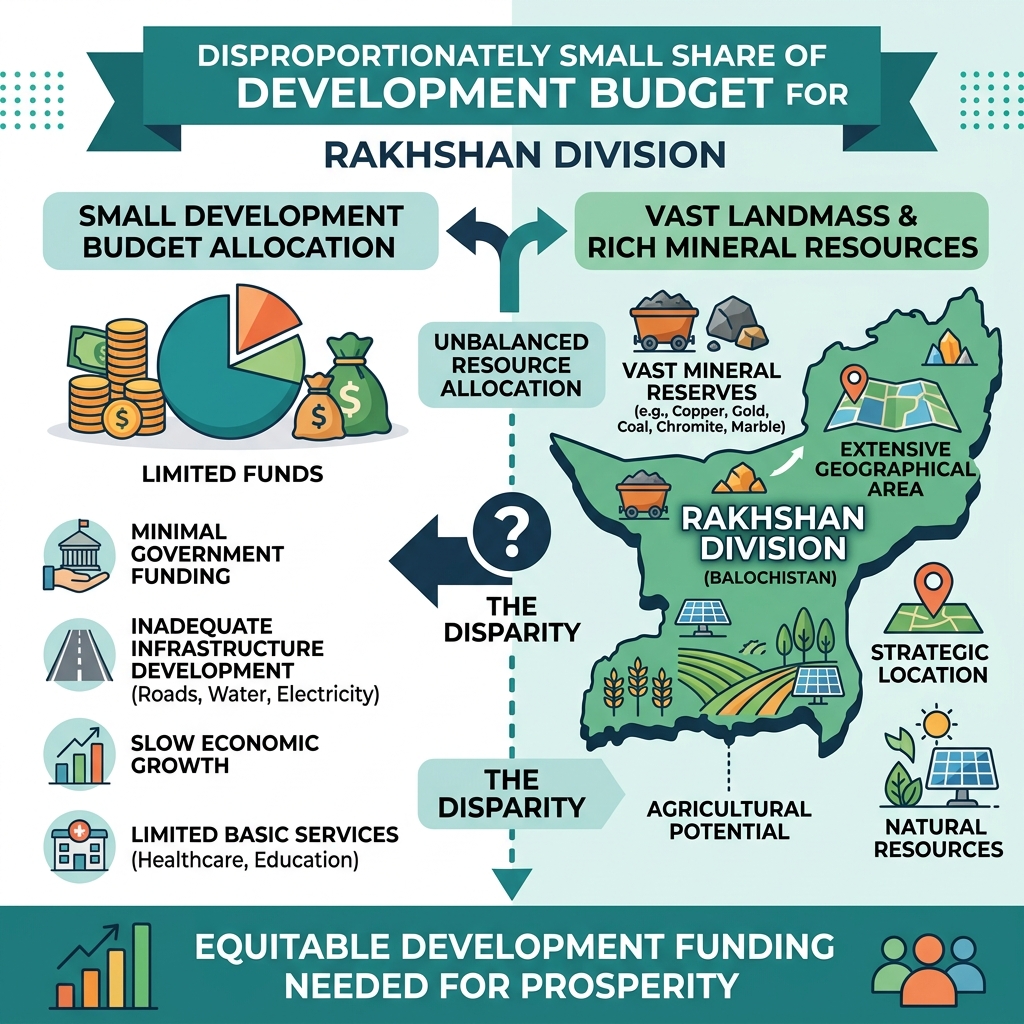
Development Budget Share Disproportionately small vs landmass
approx. 68.4% youth unemployment
36.84% literacy rate
75% – 85% lacking basic health facilities
approx. 65% – 75% lacking road connectivity
65% population below the poverty line
82% no access to safe drinking water
48% – 52% children stunted growth
Disproportionately small vs landmass development budget share
04
Districts
16
Tehsils
1,040,001
Population
98,596
Land Area (km²)

Key Challenges

Rakhshan Division is grappling with fragile healthcare, critical staff shortages, poor sanitation, unsafe drinking water, and limited education and job opportunities across western Balochistan.

  • Health Overload:
    Healthcare facilities in the region are under severe pressure due to a growing population and sparse infrastructure, resulting in overcrowded hospitals and inadequate medical services.
  • Education Shortfalls:
    The division faces a lack of quality educational institutions, insufficient teaching staff, and limited access to higher education opportunities across its districts.
  • Sewerage Pollution:
    Poor sewerage systems and ineffective waste management in major urban hubs have led to environmental pollution, posing serious health risks to residents.
  • Drinking Water:
    Access to clean and safe drinking water remains a major concern, with prolonged droughts leaving 82% of the population relying on contaminated or insufficient water sources.
  • Employment Challenges:
    Limited industrial development and job opportunities have contributed to rising unemployment and economic instability in the region.
  • Budget Allocation:
    Despite covering nearly 20% of Balochistan's landmass and hosting massive mineral reserves like Reko Diq and Saindak, Rakhshan receives a minimal share of provincial development funding.
Key challenges in Rakhshan Division — health, education, water, sanitation, employment and budget gaps

Governance Deficits

Poverty Rate

Rakhshan Division faces a profound economic vulnerability challenge compared to Quetta Division.

Rakhshan
65%
Quetta
28.5%

Poor Road Infrastructure

Rakhshan Division's main roads, like the N-40 highway to Taftan, are badly broken and crowded with heavy cargo trucks. At the same time, the local desert roads are in very bad shape and often get blocked by floods and sand.

Drinking Water

Prolonged drought leave the majority of water infrastructure non-operational due to a lack of maintenance funds.

Rakhshan
82%
Quetta
27.37%

Sewerage Overload

Rakhshan Division lacks planned municipal waste treatment facilities across all major urban hubs.

Sewerage Disposal Stations

Rakhshan
0
Quetta
1

Health Indicators

Stunted Growth & Wasting

Child malnutrition across Rakhshan Division sits at an emergency threshold.

Stunted (Under-5)

Rakhshan
48% – 52%
Quetta
51.0%

Wasting (Under-5)

Rakhshan
21% – 28%
Quetta
52.5%

Beds per 1,000 People

The operational availability of functional hospital beds is severely restricted across the division.

Rakhshan
0.3
Quetta
0.72

Teaching & Specialized Hospitals

While DHQ Kharan functions partly as a teaching facility, the division lacks designated specialized hospitals for major health problems.

Rakhshan
0
Quetta
4

Child Health Crisis

Infant and under-5 mortality rates in remote tehsils like Washuk and Chagai are driven by drought-induced malnutrition.

Infant Mortality Rate

Rakhshan
68
Quetta
58.4

Under-5 Mortality Rate

Rakhshan
80
Quetta
74.5

Health Professionals per 1,000

The skilled medical workforce is severely understrength across the division.

Rakhshan
0.3
Quetta
0.48

Education Shortfalls

According to PBS Census 2023 and Balochistan Education Statistics

Out of School Children

Rakhshan Division faces a severe crisis of out-of-school children compared to other parts of the province.

Rakhshan
58.27%
Quetta
45.7%

Net Enrollment Rate

Low net enrollment ratios are widespread across all districts of Rakhshan Division.

Rakhshan
35% – 40%
Quetta
44.2%

Access to Schools

Limited school access remains a serious concern in Rakhshan.

Rakhshan
Over 40%
Quetta
46.0%

Judicial Stats — Rakhshan Division

Data from High Court of Balochistan & related judicial sources

Balochistan High Court

At the Balochistan High Court, approximately 3,100 cases pertaining to the Rakhshan Division, primarily filed through its circuits and regional benches, are pending.

Lower Courts

In the lower courts across the districts of the Rakhshan Division, 2,150 criminal cases and 2,840 civil cases are currently pending.

Consequently, the total number of pending cases in the lower courts of the Rakhshan Division amounts to 4,990.

Annually Registered Crime Cases

On average, approximately 3,500 crime, security, and law-and-order-related cases are registered annually across the districts of the Rakhshan Division.

Global Comparison:

  • Pakistan: 241.5 million people with 04 provinces
  • India: Had 9 states at independence; now has 37. New states are created every five years, doubling the pace of development.
  • China: 1.4 billion people with 31 provinces.
  • USA: 320 million people with 50 states.
  • Indonesia: 275 million people with 34 provinces.
  • Russia: 142 million people with 70 to 75 provinces.

More Videos

Chat with Us